

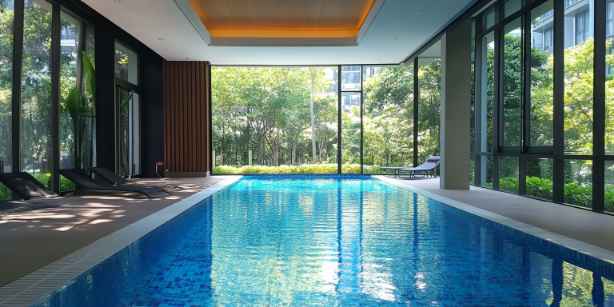
One of the main benefits of owning a condo in Singapore is the potential for valuable returns on investment. Thanks to its prime location as a global business hub and robust economic growth, Singapore’s real estate market maintains a consistent demand. Over time, property prices in the country have consistently risen, particularly in prime locations such as the highly sought-after areas. This trend presents an opportunity for investors who enter the market at the right time and hold onto their properties for the long term to see substantial capital appreciation.
2. Proper Surface Preparation
Surface preparation is key to achieving a smooth and durable paint job, especially in humid environments. Professional painters should ensure that the surface is clean, dry, and free from any contaminants before applying paint. This will help the paint adhere better to the surface and minimize the chances of surfactant leaching.
5. Additives and Sealers
Another effective way to combat surfactant leaching is to use additives and sealers. These products are specifically designed to prevent moisture penetration and surfactant leaching. They can be added to the paint or applied as a topcoat over the painted surface for added protection.
Understanding Surfactant Leaching
Prime Ways to Combat Surfactant Leaching
3. Temperature Control
High humidity levels are often accompanied by high temperatures, which can speed up the drying process of paint and cause surfactant leaching. Professional painters should try to work in cooler temperatures and avoid painting in direct sunlight. They should also avoid using heaters or fans to speed up the drying process, as this can further exacerbate surfactant leaching.
It is crucial for international investors to have a comprehensive understanding of the laws and limitations surrounding property ownership in Singapore. In general, the acquisition of condominiums by foreigners is less restricted compared to landed properties, which have more stringent ownership regulations. However, foreign purchasers are obligated to pay the Additional Buyer’s Stamp Duty (ABSD), which is currently set at 20% for their initial property acquisition. Despite the additional financial burden, the steady and promising growth of Singapore’s real estate market continues to entice foreign investors. It is imperative for foreign buyers to strictly adhere to these regulations to avoid any potential legal complications and facilitate a seamless buying experience.
Professional painters face many challenges when working in humid environments, and one of the most common issues they encounter is surfactant leaching. Surfactant leaching, also known as “bleeding”, is the process where water-soluble ingredients in paint rise to the surface and form a sticky, gooey layer. This phenomenon not only affects the appearance of the paint job but also compromises its durability. In this article, we will take a closer look at surfactant leaching and share some prime ways professional painters can combat it in humid environments.
It is crucial to thoroughly research the management company to ensure it has a good track record and is reputable. Additionally, investors should ensure that all fees and expenses associated with the management of the condo are clearly stated in the contract to avoid any surprises. Overall, investing in a condo can be a lucrative and hassle-free venture when proper maintenance and management are in place. However, it is crucial to conduct due diligence to ensure the management is reliable and transparent. Additionally, all fees and expenses should be clearly outlined in the contract to avoid any unexpected costs. Most importantly, investing in a condo can be a profitable venture when maintenance and management are prioritized and handled efficiently. Always carry out thorough research and due diligence before investing in a condo. This will guarantee a successful and hassle-free investment experience.
It is crucial for foreign investors to adhere to these regulations to avoid any legal issues and ensure a smooth purchasing process.
In humid environments, the moisture in the air can penetrate the paint film, causing the water-soluble surfactants to migrate to the surface. As the water evaporates, the surfactants are left behind, creating a sticky, glossy layer on the painted surface. This not only affects the appearance of the paint job but also makes it vulnerable to damage from weather, sunlight, and other external elements.
6. Monitor Weather Conditions
Humidity levels can change throughout the day, and professional painters should be mindful of this when working in humid environments. They should monitor the weather conditions and adjust their painting schedule accordingly. Working on days with lower humidity levels can help prevent surfactant leaching and produce better results.
7. Drying Time
Allowing ample drying time between coats is crucial when working in humid environments. Applying the second coat before the first one has had enough time to dry can trap moisture and increase the chances of surfactant leaching. Professional painters should follow the recommended drying time on the paint label and avoid rushing the project.
4. Use Proper Painting Techniques
Professional painters should use proper painting techniques to minimize the risk of surfactant leaching. This includes back-rolling, which is the process of rolling over the paint with a roller after it has been applied to the surface. This helps to even out the paint and ensures that any excess surfactants are dispersed evenly throughout the paint film.
1. Use High-Quality Paints
The quality of the paint used plays a crucial role in preventing surfactant leaching. Professional painters should opt for high-quality, 100% acrylic latex paints that are specifically designed for humid environments. These paints have advanced formulations that are less prone to surfactant leaching and offer better protection against moisture.
In conclusion, surfactant leaching is a common issue faced by professional painters in humid environments. However, with the right techniques and products, it can be effectively combated. Using high-quality paints, proper surface preparation, and temperature control are all key factors in preventing surfactant leaching. Professional painters should also monitor weather conditions, use proper techniques, and allow ample drying time to achieve the best results. By following these prime ways, professional painters can combat surfactant leaching and achieve a smooth and durable paint job even in the most humid environments.
Conclusion
Before we delve into how to combat surfactant leaching, it is important to have a clear understanding of what it is and why it happens. Paints are made up of various ingredients, including color pigments, binders, solvents, and additives. Additives, such as surfactants, are used to improve the performance of the paint. They help with better flow, adhesion, and leveling, which are crucial for achieving a smooth and durable finish. However, these surfactants can also cause issues when exposed to high levels of moisture.
Penrith Condo, developed by renowned developer Guocoland, is a highly sought-after residential property located at Margaret Drive. This luxurious condominium is designed with modern and elegant architecture, offering residents a serene and exclusive living experience. With its strategic location, residents can enjoy easy access to various amenities such as shopping malls, schools, and parks. The development also features a wide range of facilities including a swimming pool, gym, and playground. With Penrith, one can experience the best of city living while being surrounded by greenery and tranquility. Visit Penrith for more information on this exceptional development.