

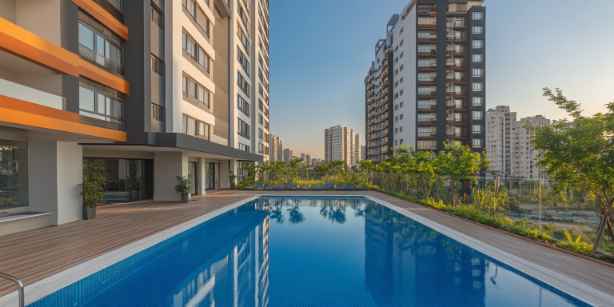
Singapore’s cityscape is characterized by towering skyscrapers and state-of-the-art infrastructure. The city’s prime locations are adorned with condominiums that offer a perfect mix of opulence and convenience, appealing to both locals and foreigners. These condos are equipped with various facilities, including swimming pools, gyms, and security services, which not only improve the overall standard of living but also make them alluring to potential buyers and tenants. Additionally, these amenities also contribute to increasing rental yields and property appreciation over time, making them a smart investment choice for investors.
Investing in real estate also brings tax benefits, as rental income is not subject to personal income tax for non-residents. This makes owning a condo in Singapore a financially sound decision for both local and foreign investors. Furthermore, the demand for rental properties in Singapore is high due to the influx of expatriates and international students, ensuring a steady stream of income for condo owners.
Biophilic design is a concept that has gained significant attention in recent years, especially in the field of architecture and interior design. It is based on the idea that humans have an innate connection with nature and that incorporating natural elements into our built environments can have a positive impact on our mental, emotional, and physical well-being. In this article, we will explore the fundamental principles of biophilic design and how it can enhance mental wellness, productivity, and property appreciation.
Property Appreciation
In addition to its impact on mental wellness and productivity, biophilic design can also have a positive effect on property appreciation. Studies have shown that properties with biophilic design elements tend to have higher rental and resale values. According to a report by Terrapin Bright Green, biophilic design can add up to 7% to the value of a property.
Incorporating biophilic design into our built environments does not necessarily mean a complete overhaul of our current spaces. There are simple and cost-effective ways to introduce natural elements into our homes and workplaces. For example, adding potted plants, using natural materials such as wood and stone, and allowing for natural light and views of nature can all contribute to a biophilic design.
One of the reasons for this is the calming effect of nature. Our brains are wired to respond positively to natural elements, such as the sound of running water or the sight of greenery. These elements have a soothing effect and can help to reduce stress levels. As a result, incorporating biophilic design into workplaces, hospitals, and other public spaces can create a calmer and more relaxed atmosphere, leading to improved mental wellness for individuals.
Boosting Productivity
In Conclusion
Implementing Biophilic Design
Biophilic design is more than just a trend; it is a concept that has been backed by scientific research and has proven benefits for our mental, emotional, and physical well-being. By bringing elements of nature into our built environments, we can create spaces that support our well-being, boost productivity, and increase property values. As we continue to spend more time indoors, the importance of incorporating biophilic design into our spaces becomes even more significant. Whether it is in our homes, workplaces, or public spaces, embracing biophilic design can have a positive impact on our lives.
It’s crucial to thoroughly research and choose a reputable and experienced management company to ensure the property is well-maintained and attracts desirable tenants. Additionally, investors should have a clear understanding of the management fees and services provided to avoid any surprises and ensure a profitable investment.
Another significant benefit of biophilic design is its ability to enhance productivity. Research has shown that incorporating natural elements into workspaces can have a positive impact on employee productivity. A study conducted by the University of Oregon found that employees who had access to natural light and views of nature reported 6-7% higher levels of job satisfaction and 10-25% higher levels of productivity.
Elevating Mental Wellness
What is Biophilic Design?
One of the reasons for this is the appeal of biophilic design to potential buyers or tenants. People are naturally drawn to spaces that incorporate natural elements as it creates a sense of tranquility and connection to the environment. In addition, properties with biophilic design are often seen as more desirable and of higher quality, which can lead to an increase in property values.
To sum up, location, stable economy, tax benefits, and high rental demand make investing in a condo in Singapore a wise choice. However, it is crucial to exercise caution and conduct proper research to ensure a profitable investment in the long run. By considering these factors and seeking expert guidance, investors can make informed decisions and reap the benefits of owning a condo in this thriving real estate market.
Incorporating biophilic design elements into our built environments has been proven to have numerous benefits for our mental well-being. Numerous studies have shown that exposure to nature can reduce stress, anxiety, and depression. In fact, a study conducted by the University of Exeter found that being surrounded by natural elements can significantly improve our mental health and well-being.
Incorporating biophilic design can also be done on a larger scale in new construction projects. For instance, incorporating green spaces and water features into building design, as well as creating natural ventilation systems, can significantly enhance the biophilic appeal of a property.
The concept of biophilia is rooted in our evolutionary history, where humans lived in close proximity to nature. In today’s world, where most people spend the majority of their time indoors, our connection with nature has been greatly diminished. Biophilic design seeks to bridge this gap by bringing nature back into our daily lives.
When considering the purchase of a condominium, it is vital to also take into account the upkeep and management of the property. Typically, condos come with maintenance fees that cover the maintenance of common areas and amenities. While these fees may increase the overall cost of ownership, they also guarantee that the property remains in good condition and retains its value. Employing a property management company can assist investors in managing the day-to-day operations of their condos, making it a more hands-off investment. Thorough research should be conducted to select a reputable and knowledgeable management company that will effectively maintain the property and attract desirable tenants. Moreover, investors must have a comprehensive understanding of the management fees and services offered to avoid any unforeseen expenses and ensure a successful investment.
Additionally, condos in Singapore are attractive to investors due to the country’s stable economy, efficient infrastructure, and strict regulations, making it an ideal location for long-term investments.
However, it is crucial to conduct thorough research and due diligence before investing in a condo in Singapore. As with any investment, there are risks involved, and it is essential to evaluate factors such as market trends, property maintenance costs, and potential rental income before making a decision. Engaging a reputable real estate agent and seeking professional advice can help mitigate these risks and ensure a successful investment.
The presence of natural elements in the workplace can also help to reduce fatigue and increase concentration. In a study conducted by the University of Michigan, participants who were exposed to natural elements while working showed a 16% increase in their ability to focus compared to those who were not. As a result, incorporating biophilic design into office spaces can lead to a more efficient and productive workforce.
Biophilic design can be defined as the intentional integration of nature into the built environment. This can include elements such as natural light, plants, water, natural materials, and views of nature. The term was first coined by renowned biologist Edward O. Wilson in his book “Biophilia” in 1984, where he described it as “the innate tendency to focus on life and life-like processes”.